
Once in the air, ospreys will arrange the fish so that it is facing upright, head forward.
This reduces aerodynamic drag.


Once in the air, ospreys will arrange the fish so that it is facing upright, head forward.
This reduces aerodynamic drag.
Fishing
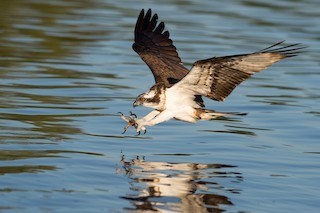
Ospreys catch fish on at least 1 in every 4 dives, with success rates of 70%. The average time spent hunting before making a catch is about 4 minutes.
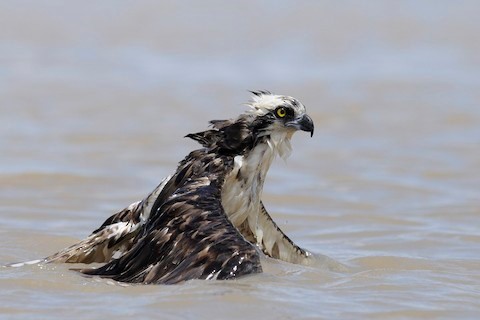
“Missed”
Ospreys have longer-than-usual wings, which give them more powerful lifting capability. This allows Ospreys to lift a heavy load of fish up from being partially submerged in the water. Its prey could be 50 percent of the bird’s own mass, and longer, more powerful wings are essential to lift that meal into the air and back to the nest.
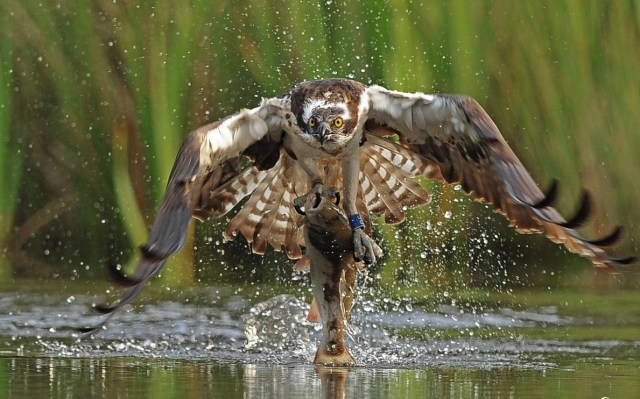
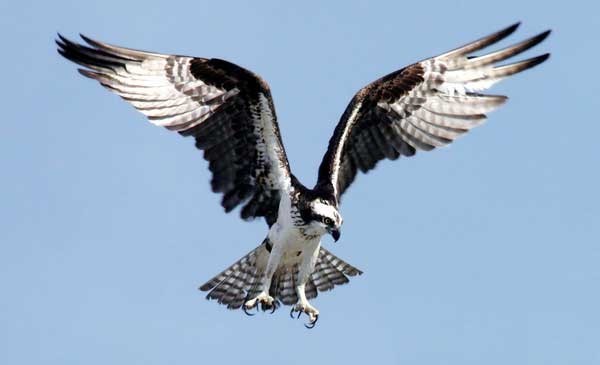
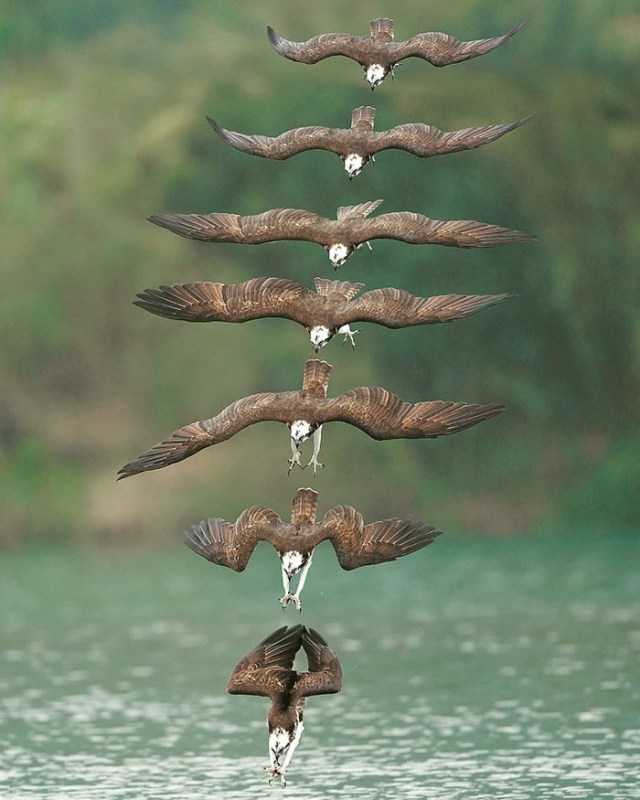
Despite their large size, Ospreys can briefly hover. This allows them to pinpoint a fish and set themselves up for an effective dive, plunging feet-first into the water to catch their next meal.
The Preen gland, also called Uropygial gland empties to the skin surface through a nipplelike pore at the base of the tail.
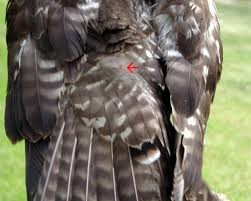
Osprey preen by rubbing their bill and head over the preen gland pore and then rubbing the accumulated oil over the feathers of their body, wings and skin of the legs and feet.
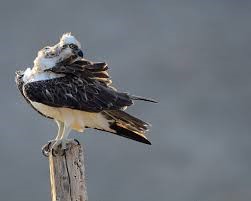
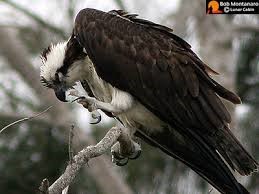
The oily, waxy substance helps waterproof feathers and keep them flexible.
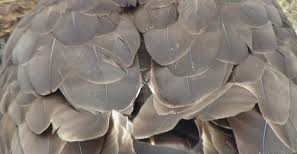
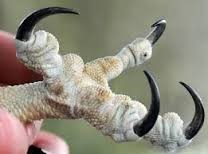
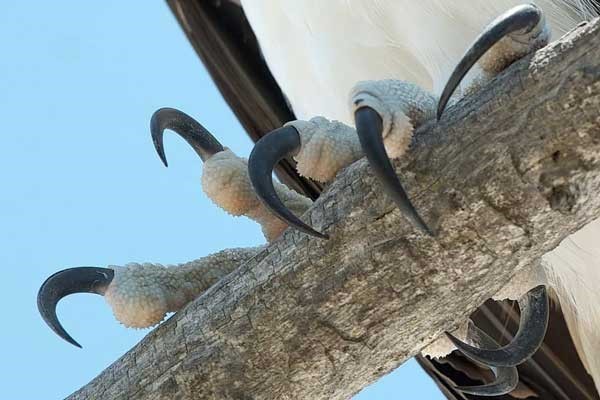
Osprey talons
In common with most raptors, osprey have four long toes—three in front and one in back. As the bird reaches for a fish, its outer front toe swivels to the rear, giving it two grasping talons front and back. And those toes are lined with short, stiff spikes for extra grip.
The ospreys we see today are all one species worldwide.
They have changed little since tens of millions of years ago, when its ancestors diverged onto a unique evolutionary track.
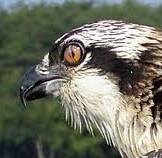
The Osprey Stare

The arrangement of the feathers above the osprey’s eyes serves to reduce glare from the water surface when fishing.
It also gives the osprey its characteristic menacing stare.
Nictitating Membrane
When an Osprey dives into the water, a third eyelid—called a nictitating membrane—closes immediately to protect the bird’s eyes. This semi-transparent membrane is a pale, icy-blue color and allows some areas of light and dark to be seen even underwater.

Visual acuity is eight times that of humans.
Large eyes, face forward for excellent depth perception.
Can see through the glare on the water surface and quickly shift focus, allowing them to essentially “zoom” in on their prey.
Sees a wider range of colors than humans.
Can see UV light and compensate for the water refraction in flight.
 | Joanne on The Life of Harriett: An Ospre… |
 | Louise Kelly on The Life of Harriett: An Ospre… |
 | Eliza Worthington on The Life of Harriett: An Ospre… |
 | Harriett Raptor on First flight |
 | Vicky on Hatchlings |
 Osprey Tales