Pandion haliaetus

images (1)

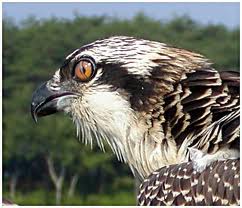
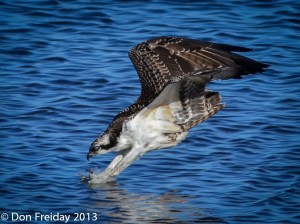
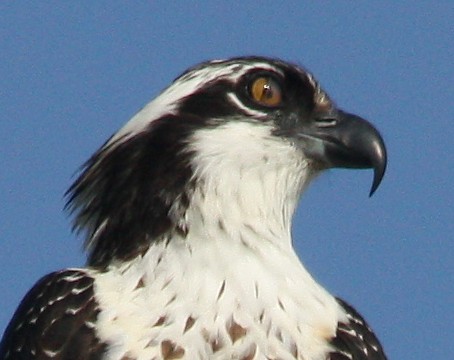
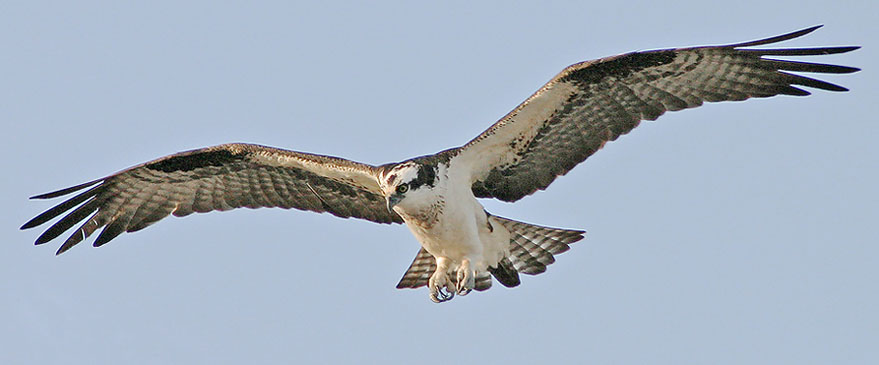
The osprey (Pandion haliaetus), sometimes known as the fish eagle, sea hawk, or fish hawk, is a diurnal, fish-eating bird of prey. It is a large raptor, reaching more than 2 feet in length and 6 feet across the wings.

Osprey size

Size relative to a 6-ft man.


Reader prime number # 37 wants to know why Harriett is discussing the moments before the Big Bang.

“Let me ask you this,” said Harriett, hoping not to sound condescending. “Say you have a mission, a calling, to teach children. Would you walk into a classroom of 5 and 6 year-olds without having prepared yourself for your mission? Didn’t you have to learn the alphabet and how to read and write? Didn’t you have to go to school; didn’t you have to go to college; didn’t you have to learn how to interact with children? In short, didn’t you have to do everything in your power to prepare yourself for your mission? Only a fool would set off to accomplish a mission, especially a very complicated, important mission, such as Saving the World or at least Life on Planet Earth as we know it, without studious preparation.  More on this subject later.

Respectfully,

Harriett

Posted in Ospreys | Leave a comment

Good Morning

DSC_0036 DSC_0033DSC_0039 DSC_0041DSC_0043 DSC_0044DSC_0045 DSC_0046

Posted in Ospreys | 4 Comments

Did you know?

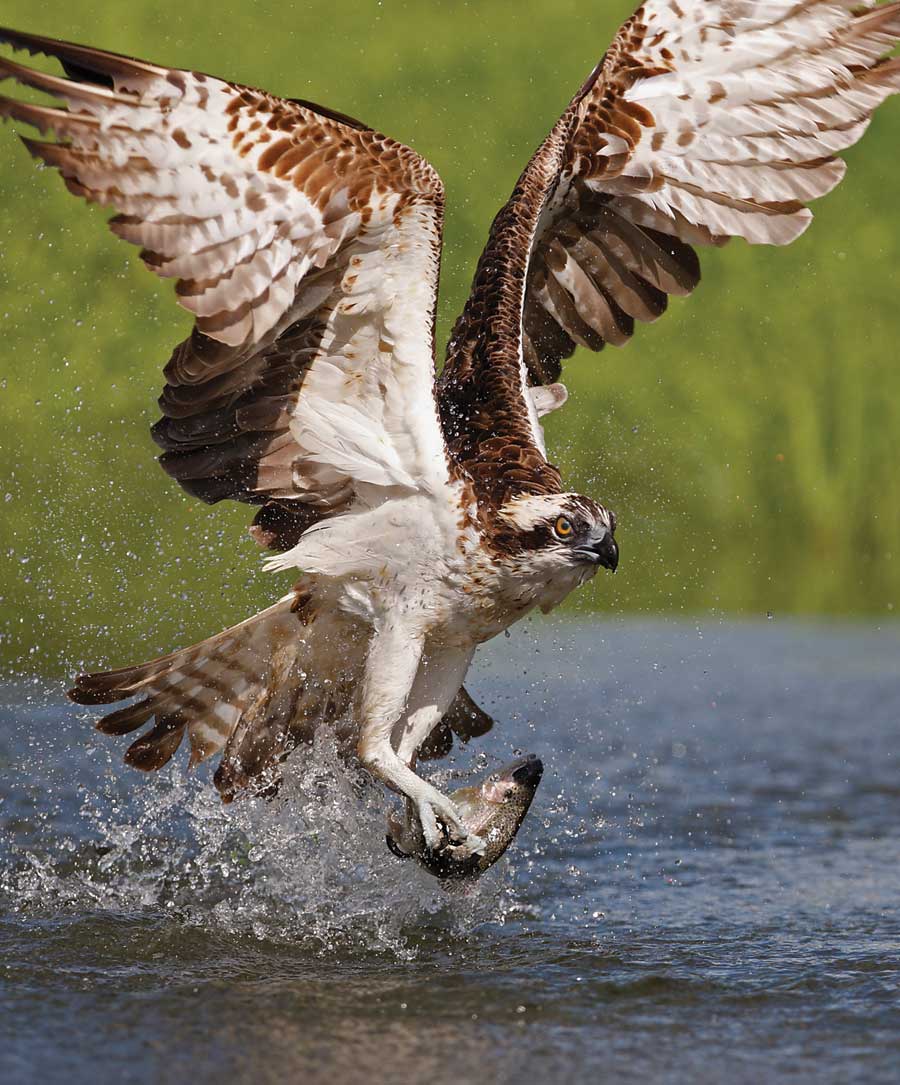
  • When diving after fish, Ospreys can completely submerge themselves underwater and still be able to fly away with their prey. Most other fish-eating birds of prey can only pluck fish from the surface of the water as they fly by.

Hittig the water  Osprey as he dive-bombs river... and lands a whopper 4

Fish too big fishing  big fish

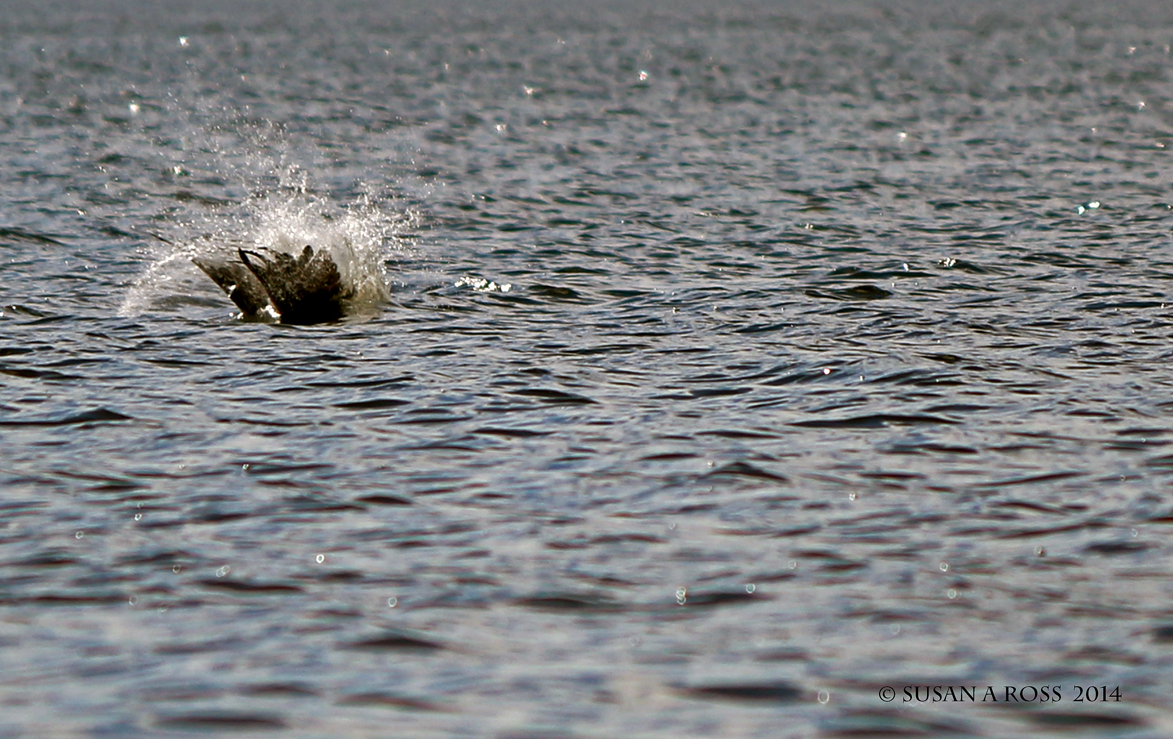
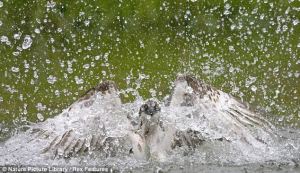
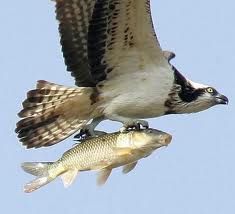
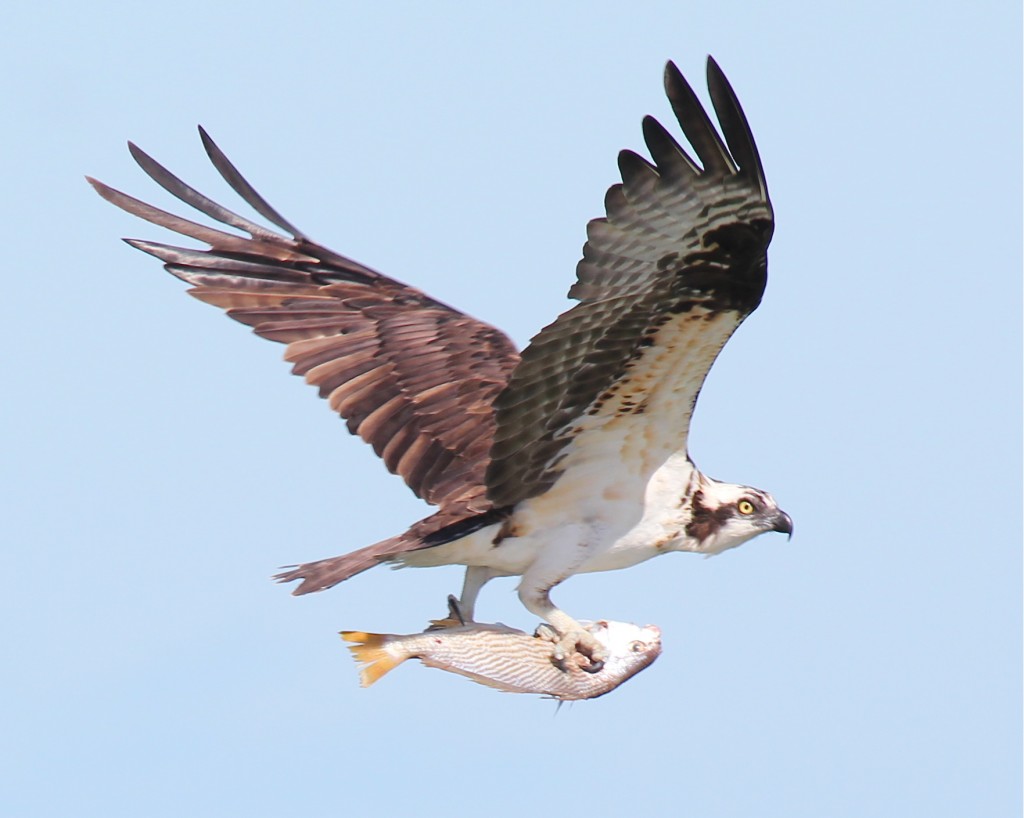
The 1st picture shows an osprey hitting the water as he dives. The 2nd shows him coming up with his catch. In the 3rd picture, this Osprey is clutching a large fish with its talons. The fish is so large he is having trouble taking flight. There are reports of Osprey drowning because they could not free their talons from the fish. The 4th picture shows the size of fish they can catch.


  • When they dive into the water, Osprey close their third eyelid – called a nictitating membrane – which is semi-transparent. It acts like goggles and helps them see clearly beneath the water.

1nictitating membrane  dive - nic membraine                       notice the nictitating membrane in the center picture)!               And dis is mah membrane! It haz a bugz in it!

You will have to enlarge the 2nd picture to see how completely the ospreys eyes are protected at the instant he hits the water. In the 4th picture, look closely there is a bug on this guy’s nicititating membrane.


  • When Osprey carry their prey, they always reposition the fish aerodynamically.

download

fish carry


Posted in Ospreys | Leave a comment

Facebook

I have a Facebook page now.

Doctor's backyard

The Doctor is busy. I can’t wait to get home and see what he has prepared.

20150201_104229_resized
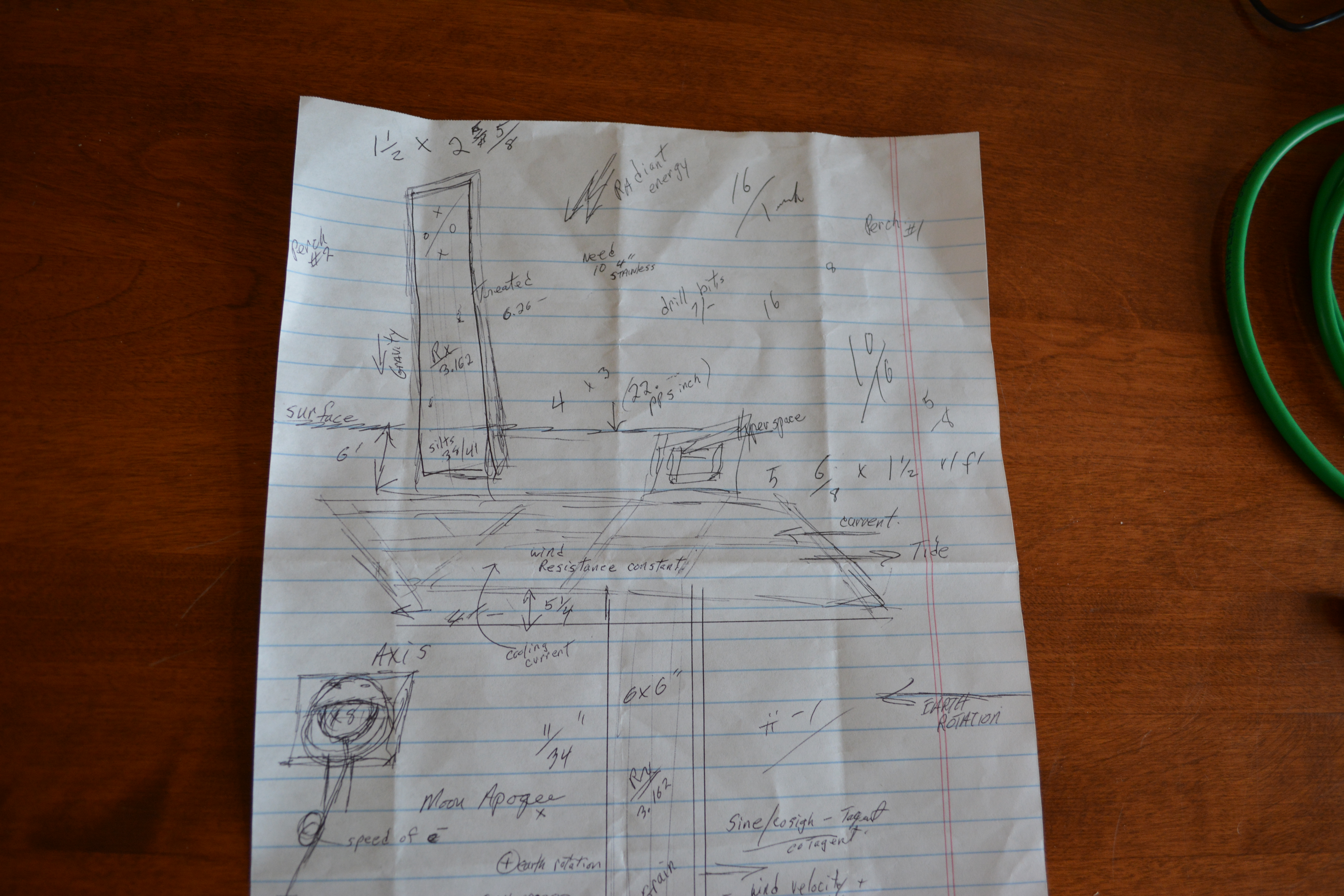
Do you really think he can do it?

DSC_0002

He spelled “co-sine” incorrectly.  And he’s trying to divide the sine/co-sine ratio by the co-tangent.  Duh!  You can’t do that.  Well at least he’s trying. Do I see “Rotation Earth, Wind Resistance, Summer Tide Schedule, and Moon apogee” on those plans?

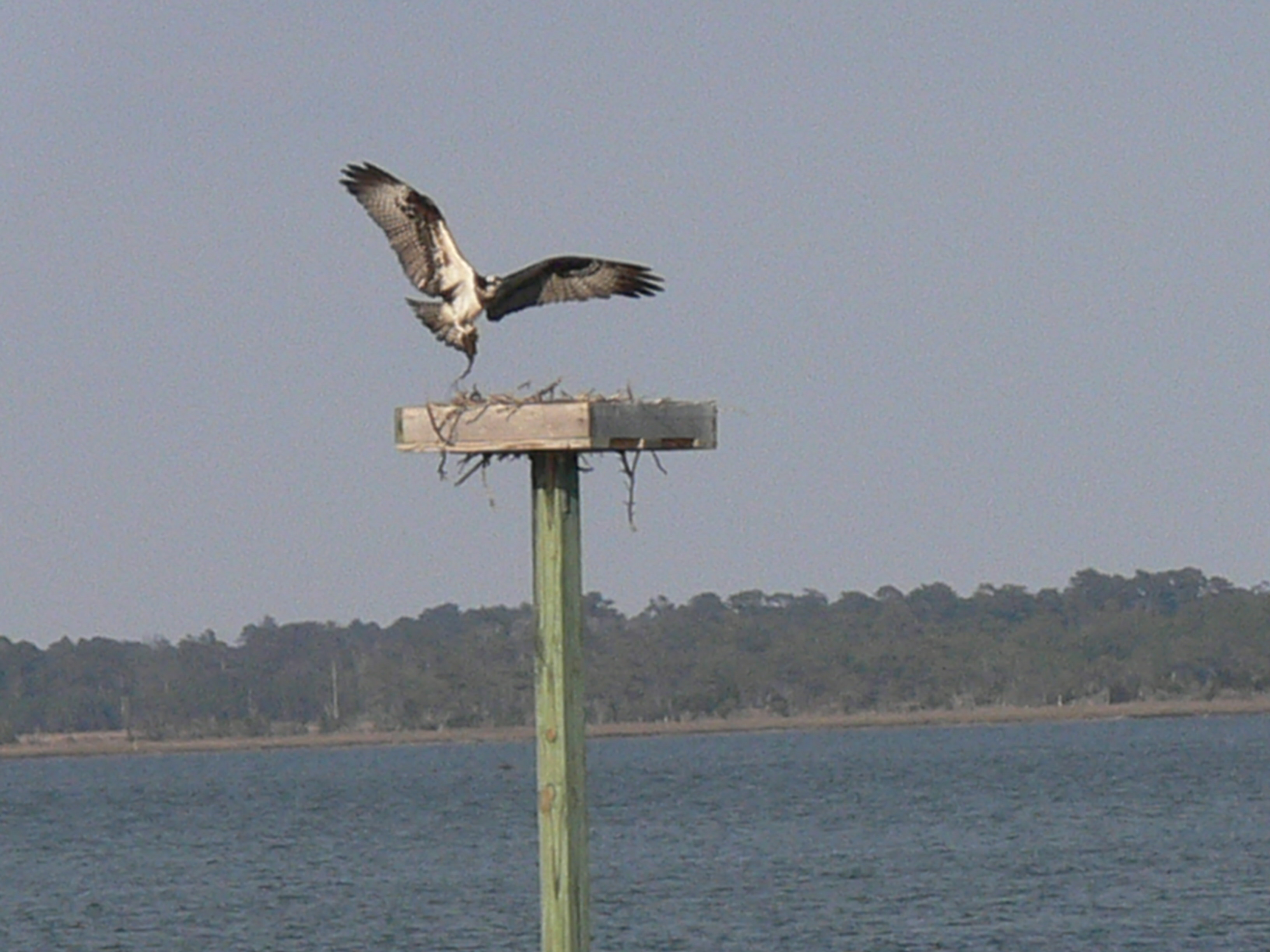
He’s come a long way since that 1st platform.

00 Duck blind                         bent screw benntn2TH                                    Ozzie starts the nest on new platform - Copy


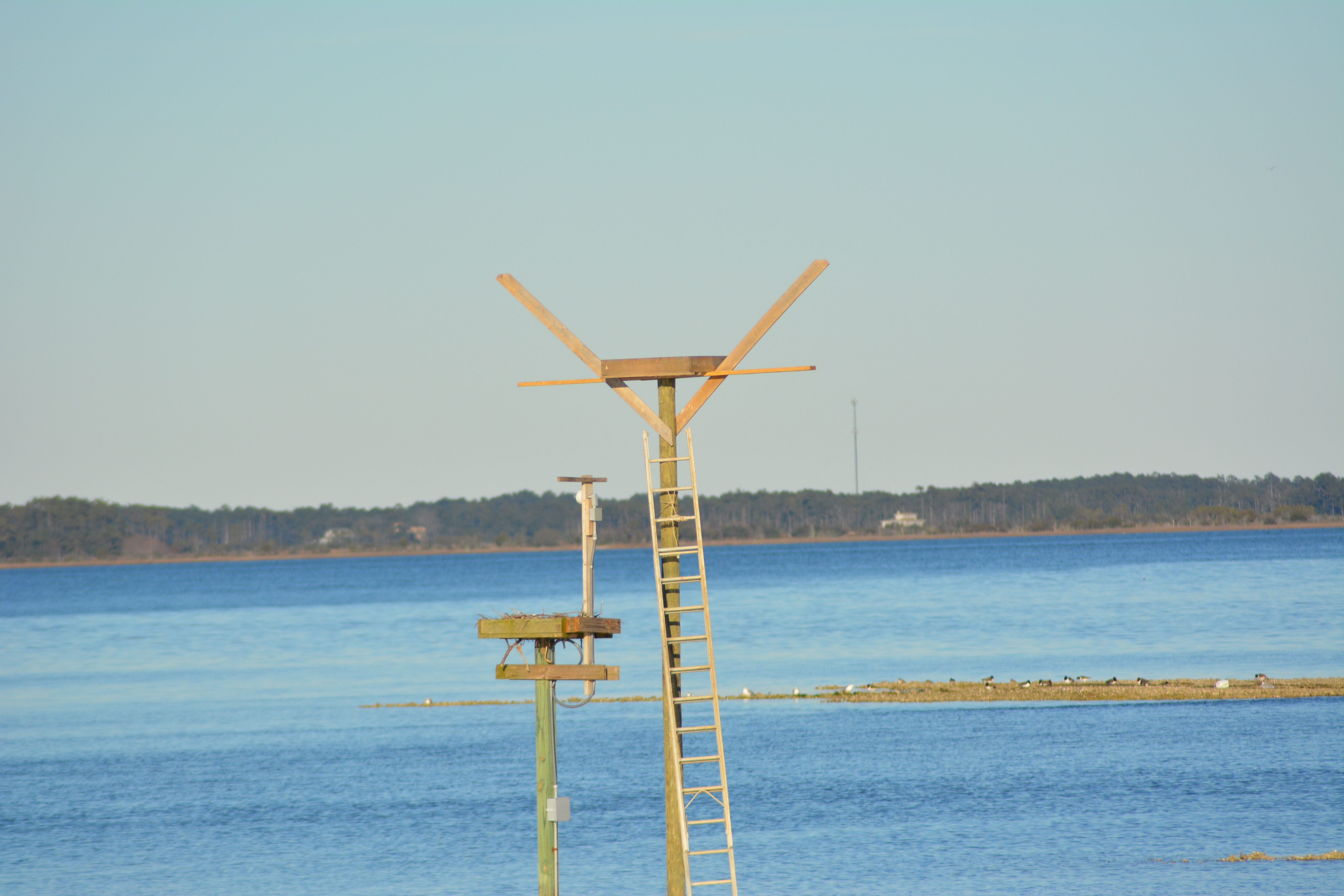
Get a load of what’s happening out back.

DSC_0012

Taj Mahal.

I get giddy just thinking about it.

Hugs and kisses!

Harriett

Posted in Ospreys | Leave a comment

2015 – I Know Not What to Expect

The universe expanded from an extremely dense and hot state and continues to expand today.
13.8 billion years ago all of space was contained in a single point from which the Universe has been expanding ever since.

After the initial expansion, the Universe cooled has sufficiently to allow the formation of subatomic particles, and later simple atoms. Giant clouds of these primordial elements later coalesced through gravity to form stars and galaxies.

Posted in Ospreys | Leave a comment

Season’s End

DSC_0175  DSC_0176 DSC_0178  DSC_0179  DSC_0179  DSC_0180

Mount Olympus

Some mornings Helios, his chariot and steeds must rise behind Mother Nature’s clouds.  Helios has gotten used to it.  It’s no big deal.  His ego is not injured at all.  Mother Nature does not care one way or the other, anyway; every god knows that.  Nothing new on Mount Olympus.

The North River

The North River tries to awaken but MN’s clouds proffer sleep.  Mother Nature is getting a bad reputation around here.  Does She have any empathy, concern, sympathy or harmony with life?  Apparently not.  57% of newborn ospreys do not see their second birthday.  “MN, you are one harsh mistress,” thought Ozzie.

“I do not like you,” Ozzie let slip.

MN glanced up; took a good look at Ozzie, brushed his opinion aside, and decided to let him live.

Tweedy

DSC_0015

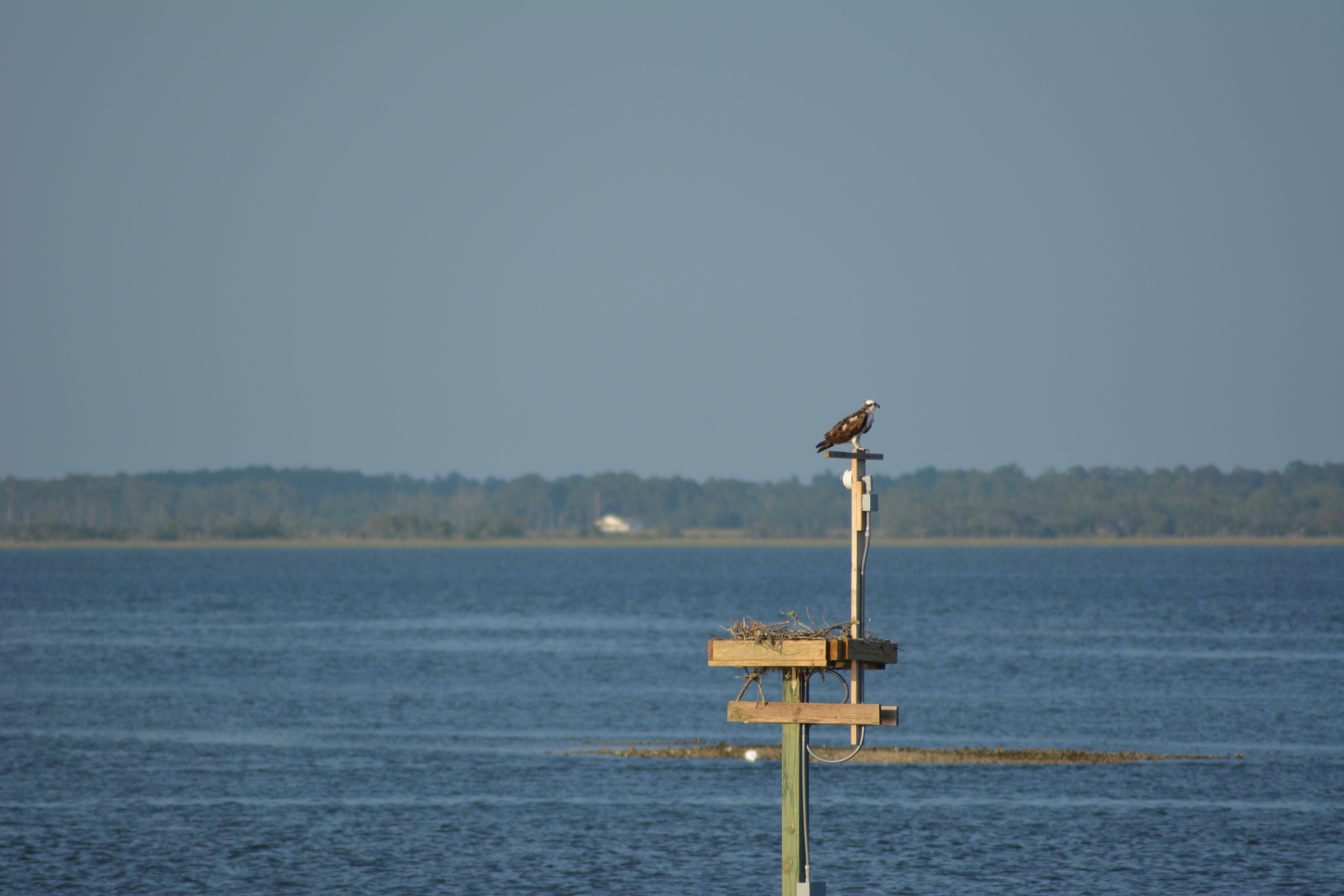
Tweedy stands alone on her man-made perch.   Doctor’s custom design; better yet to come.

“Where did everybody go?” she asked nobody, everybody, the wind, the river, the sky.

Tweedy’s surroundings did not answer.

An ethereal, cosmic knowledge breathed down upon our child,

Tweedy felt it stir within her.  It was a strange forceful sensation; powerful, convincing and compelling; obligatory and ultimately irresistible.  Yes, it was.  Yes, it is; “#%&!” thought Tweedy. What is this thing?”

Instinct

“Instinct?  Is that all I have to go on?”  she questioned her surroundings.

Her surroundings did not respond.

“Oh, #%&!”

Tweedy realized she was on her own.

Mysterious omnipresent voice

“Ozzie, you had better check you thought processes and what comes out of your beak.  You do not know with whom you are dealing.  In other words, clam up you fool!

Tweedy, you are only two months old tweedy.  Feeling down is not an option.  There are a lot of feelings you have yet to experience.  Get your act together and follow your instincts.  Do not be one of the 57% statistics.

The Doctor

The Doctor watched Tweedy from the back porch of his big nest.  He could feel Tweedy’s distress.

Worried and concerned, he sought an urgent telepathic conference with Harriett.   He was immediately rewarded.

“Yes,” Harriett confirmed.  “I remember well the day I realized I was on my own.  It is a chilling realization.  It is so real.  As real as reality; reality: follow your instincts or perish.  That is just the way it is.”

Posted in Ospreys | Leave a comment

Migration

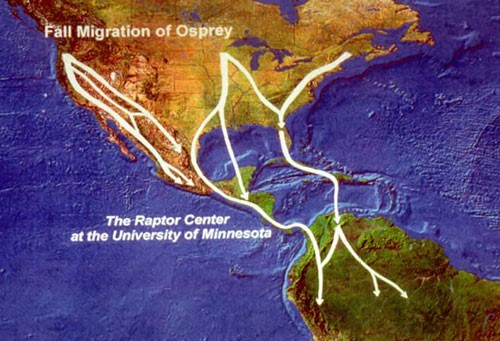
Ospreys from North America, Europe, and northern Asia migrate south in the fall (ospreys from North America go to Mexico, Central America, and South America; ospreys from Europe and northern Asia go to Africa, India and southeast Asia).

osprey_map
Osprey are found on every continent except Antarctica

“Why don’t you just stay in the south, where it’s sunny and warm?”  asked the Doctor

The reason is because places like the tropics are too limited in space for breeding. We need lots of space when raising a family, and northern breeding grounds offer more room, food, and nesting habitats than the wintering grounds in the south.

Birds migrate from areas of low or decreasing resources to areas of high or increasing resources. The primary resource being sought by ospreys is food. To survive they must migrate to a climate where the fish are more accessible.

Harriett fishing
Ozzie grabs a snack

The mechanisms initiating migratory behavior are not understood by humans. Migration can be triggered by a combination of changes in day length, lower temperatures, changes in food supplies, and/or genetic predisposition.  We humans really do not know.

tgggh (19)
Ozzie, third from the leader, upper

Osprey cover thousands of miles in their annual travels, often traveling the same course year after year with little deviation in the path followed. First year birds migrate unescorted to a winter home they have never before seen and return the following spring to the area in which they were born.

The secrets of their amazing navigational skills are also unknown. Osprey appear to navigate using a variety of techniques, including navigation by the stars, sensing changes in the earth’s magnetic field, and other techniques that we have discussed before.


Taking a journey of several thousand miles is a dangerous and arduous undertaking; one hundred miles a day, 200 over large bodies of water.  It is an effort that tests both the birds’ physical and mental capabilities. The physical stress of the trip, lack of adequate food supplies along the way, bad weather, and increased exposure to predators all add to the hazards of the journey.  It is really tough.

The fact are not pretty.

Estimated mortality among first year birds is 57%. This rate decreases to 18% annually after the first year.

First osprey nests are often robbed by raccoons, american crows, and the common raven.

Nestlings are vulnerable to predation by pine martens in Canada, and goshawks in the norther latitudes.

Nest collapses kill nestlings. Collisions with power lines, adverse weather (i.e., cold rains, high winds, etc.) can cause high mortality among nestlings and fledglings.

The eagle-owl is known to kill both adult and nestling ospreys in Europe.

In North America, great horned owls are known to take over nest sites and have been documented to prey on young and adults.

Bald eagles compete directly with osprey for food resources and will often harass ospreys forcing them to drop fish.

A few each year in Africa are eaten by crocodiles.

Here are some more pleasant facts:

On average, ospreys reach full maturity at 4.8 years of age.

Osprey been known to live 30 years when safe in captivity. The greatest number of recorded breeding seasons for a single bird is 23 (Canadian Wildlife Service 2000).

Based on banding data, one osprey in the wild was 26 years and 2 months at time of recapture.

Stopover locations

Osprey often follow preferred pathways on their annual migrations. These pathways are often related to important stopover locations that provide food supplies critical to the birds’ survival.  One of the Doctor’s goals is to locate some of our important  stopover points so he can take steps to protect and save these key locations.

As always; Love,                                         Harriett

Posted in Ospreys | 4 Comments

Tweedy Alone

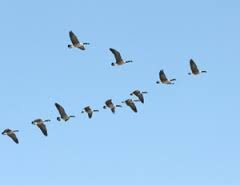
Although ospreys mate for life, they part ways each year for the fall migration. They migrate as individuals, not in groups or flocks.  They travel in small skeins like the ones we have previously described.

download (4)
A skein of ospreys in V formation flight

Usually, females leave the nesting area first, followed by the males. Mates do not see each other again until they return to their nest in spring. It would be a very rare coincidence if a pair ended up in the same wintering place.

The young are left behind when parents migrate. A few days later, the young take off, too. Each one finds its own route south and winters in a different place, just as the adults do. They do not follow their parents, but work on pure instinct, following a fairly simple two-line program: Go south and stay over land as long as possible. This gets them to the Keys in Florida, the southeastern tip of Cuba, and many of them to the little peninsula on the south coast of Hispaniola.  From here they make a last leap of faith and fly to South America.

Tweedy stands alone.

Tweedy stands alone
Hey!  Where has everybody gone? 

The Pacific Northwest birds make a non-stop sprint migration over the western deserts and winter in Mexico and Central America. These birds rarely go as far as South America.

East coast birds go down the east coast, some fairly far inland, some along the coast, to the tip of Florida, over to Cuba, and then on to Hispaniola (Haiti and the Dominican Republic). Some winter in the Caribbean, but the majority make the arduous trip across the Caribbean to Venezuela.

From there, they scatter across much of the South American continent, some going as far as the Pantanal in Paraguay and Southwestern Brazil. Some truly overachieving birds even make it to Argentina.

 fall Migration                  Migration map
Migration Map of North American Osprey

Osprey tend to be as faithful to their wintering spot in South America as they are to their nesting area up north.


Harriett left Friday.  She wished the Doctor well and posed for a super photo op.

flightx

Ozzie left yesterday.  He magnanimously made a fly by of the Doctor’s big nest to show off his transmitter.

images (22)

“Those are good birds,” said the female human that lives with the Doctor.

Posted in Ospreys | 4 Comments

Ozzie’s Response

“No!  &@% $*#!”   Exclaimed Ozzie.  “Absolutely not!  What does he think I am?  Who does he think he is?”

angry0f
“No!” Squawked Ozzie

Harriett knew it would not be easy and had anticipated this reaction.  But, Harriett had already thought out various contingency responses.

“The Doctor thinks you have a keen scientific mind,” Harriett expressed her new found respect and esteem. “I wish I had your exceptional perception, reasoning and ability to learn.  I have always been envious of your thirst for knowledge and superior brain power.  It must be rewarding to expand the envelope of the avian knowledge base.   It is one of the things that make you special.”

Had she gone overboard?

“Well, yes I know,” replied Ozzie with pride.

Apparently not.

But Ozzie was suspicious.

“Somehow I think you and the Doctor are in on this thing together.  What’s the matter, Harriett?  Don’t you trust me?”

“Trust has nothing to do with it!”  Snapped Harriett, almost too quickly.

Harriett took a deep breath, praying she was being honest with herself.  She scrambled for a response. Her heart was pounding, yet she managed a calm, seemingly rational demeanor, and said,

“The Doctor and I can stay in touch via telemetry.  We want to stay in touch with you too. I care about you,” Harriett continued.

“And the doctor and his readers care about you.  And think about everything the Doctor has done for us this year.”

“Oh yes, yes I am sorry.  Yes, to us the Doctor is a true friend,” Ozzie was happy to acknowledge.


“It’s really not such a big deal,” encouraged Harriett.  “You won’t even know it is there after a day or two.  And besides you are a pretty interesting bird you know.  Remember the time you organize the poop campaign against that crazy Venezuelan dictator?”  That was some kind ‘a funny!”

Ozzie could not help but smile.

“What we do in our youth!” He laughed.

Harriett felt she was making some progress.

 

“Ozzie, the human scientific community will be very appreciative if you will wear the transmitter.  Humans have launched rockets into space, deployed satellites to track you if you are so inclined to participate.”

TDRS-HIJ_Hi-Res_12-2010

“What else can you ask?”


Ozzie gave the matter careful consideration.  He concluded there was really no down side for him.

He thought, “why not?  No feathers off my back.  And you know I will do anything for my Harriett.”

Ozzie felt a sudden jolt of joy.  He spun around and said, “I’ll do it!”


Posted in Ospreys | Leave a comment

The Favor

Introduction to Osprey Migration

Every year, in the autumn there is a large-scale movement of birds from their breeding (summer) homes to their nonbreeding (winter) grounds.

Migration  Birds

European osprey winter in Africa.  American and Canada breeders winter in South America, although some stay in the southernmost U.S. states such as Florida and California. Some ospreys from Florida migrate to South America.

The osprey is one of five North American raptors that are true migrants.

Osprey are long-distance migrants, (as opposed to short or medium range).  They have ranges that extend from the United States and Canada in the summer to South America through Brazil in the winter.

It is not just osprey that migrate.  More than 650 species of birds nest in North America. Some are permanent residents, but the majority of the species are migratory.

Other long distant migrants, with which you are familiar, include geese, sandpipers, herons, terns, skimmers, oystercatchers, swallows, finches, and hummingbirds.

The Arctic Tern has the longest-distance migration of any bird, moving from its Arctic breeding grounds to the Antarctic non-breeding areas.  They can make the trip in just three months starting as a fledging, a sea journey of over 22,000 km (14,000 mi).

Arctic Tern
Arctic Tern


The Doctor’s Favor

Is simple and straight forward.

The Doctor wants Ozzie to wear a satellite tracking monitor for the winter, and he wants Harriett to talk him into it.

images

Perhaps the Doctor should not have described the favor as “small”.  Right now he is wrestling with how to approach Harriett with this request.  He realizes he has not gotten off with a good start.

The Transmitter

Is a solar-powered satellite tracking unit that Ozzie can wear like a backpack. This unit communicates with satellites three times per day to determine his exact location.  It will last all winter.

Argos avian transmitters2
Argos/GPS transmitter

This satellite tracker is the newest, most modern device available and weighs just 30 grams, – the weight of a small packet of chips. This equates to less than 2% of the osprey’s body weight.  It is made by Microwave Telemetry in the United States.  This one ounce Argos/GPS transmitter has sensors to measure temperature, battery voltage and osprey activity, as well as a sixteen channel GPS receiver that calculates position, altitude, heading and speed.

” I am going to talk to Harriett about it first thing in the morning,” the Doctor promised himself.
Posted in Ospreys | Leave a comment