

 April 16, 2020

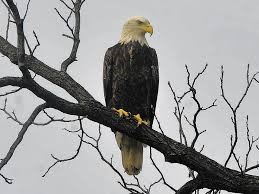

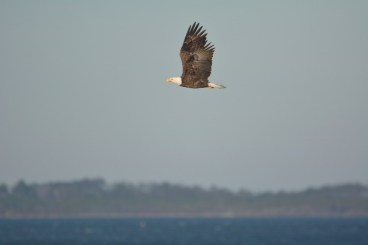
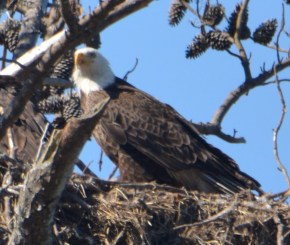
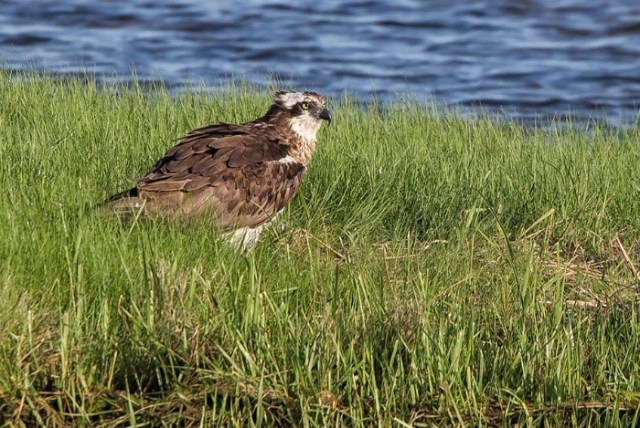
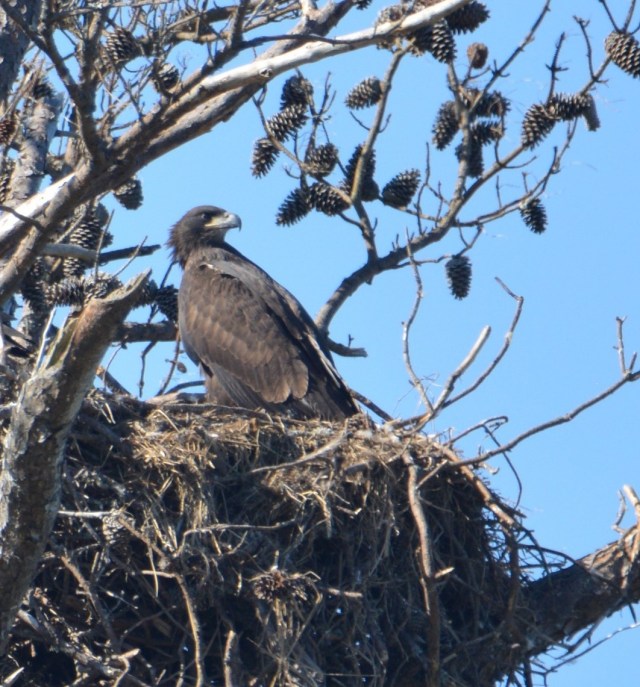 Juvenile
Comments
Joanne on The Life of Harriett: An Ospre… Louise Kelly on The Life of Harriett: An Ospre… Eliza Worthington on The Life of Harriett: An Ospre… Harriett Raptor on First flight Vicky on Hatchlings
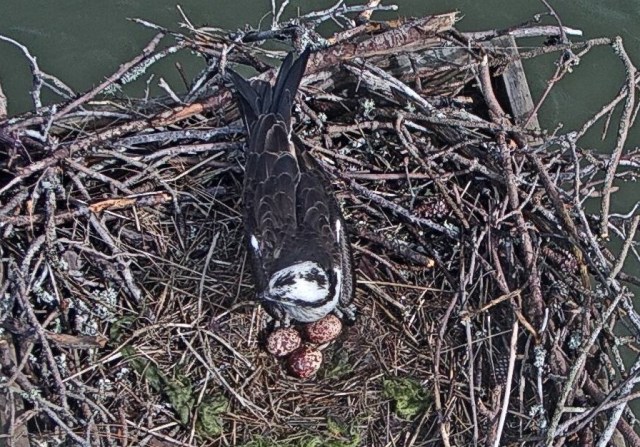
Osprey “clutch size” ranges from 2 to 4 eggs. Roughly 80% of North River females lay three. It is known from banding studies that a 2-egg clutch reflects a young female, a first-time breeder. 4-egg clutches are associated with food-rich nesting areas.
 April 15, 2019
 April 11, 2018
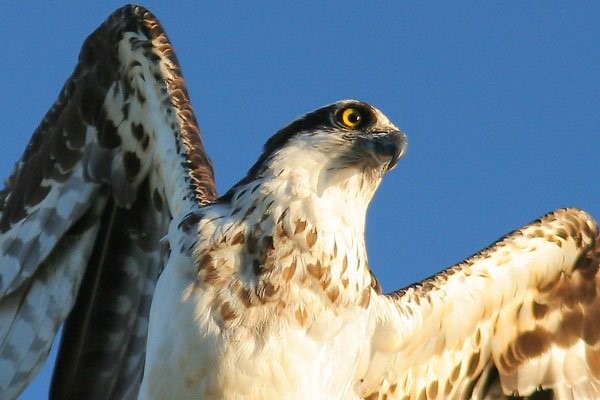
Harriett checks out the camera.
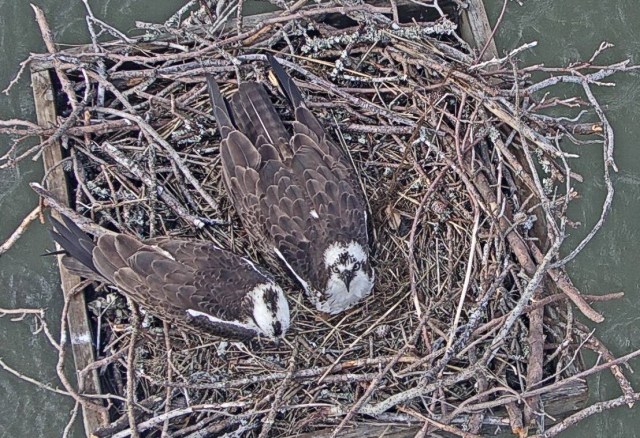
“I know what you are thinking.”
One egg every 2–3 days
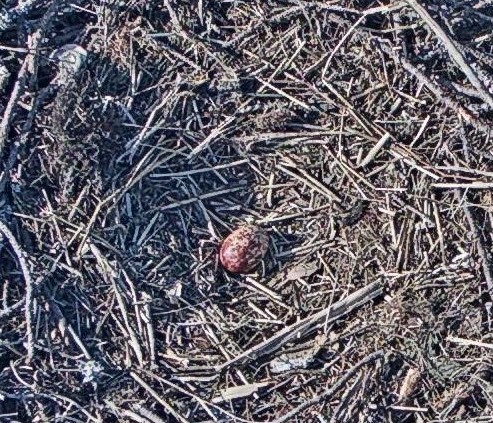
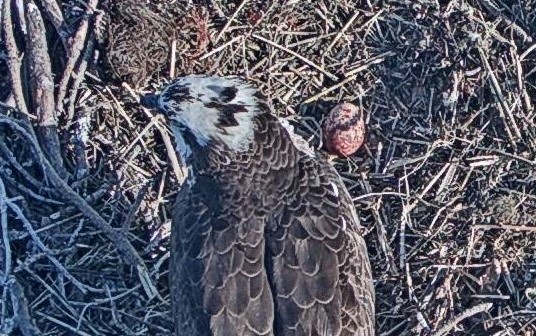
During the breeding season ospreys lay 1 egg every 2–3 days……………One egg at a time.

The miracle continues.
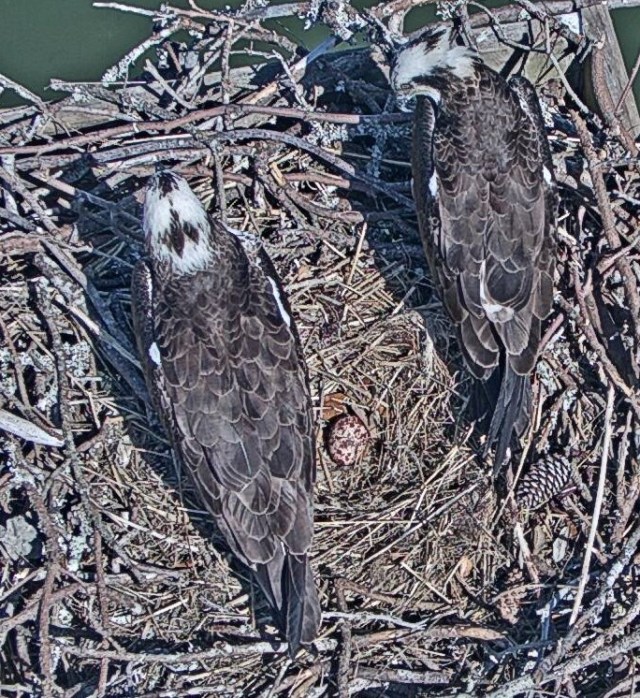
The stone was moved away.
Eggs are usually laid in early morning hours
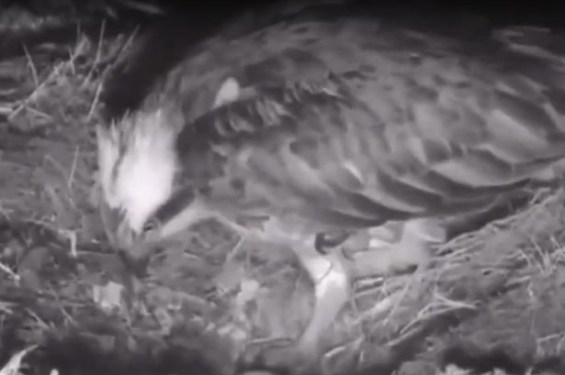 UV camera
 Daylight
“Comments: lots of comments on The Eagle’s nest. I like comments. The Doctor does too.
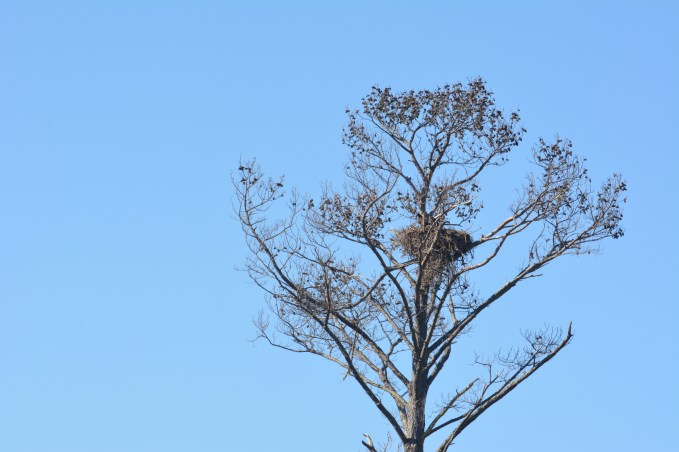
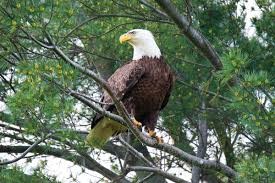
“It was the female H sapien that found the Eagle’s nest,” said Harriett. “She helped the Doctor carry his camera equipment over some pretty rough terrain. She gets credit for the Eagle pictures.”
“I know the Doctor is looking for an egg,” said Harriett. “Well, I will lay eggs when I’m good and ready!”
 | Joanne on The Life of Harriett: An Ospre… |
 | Louise Kelly on The Life of Harriett: An Ospre… |
 | Eliza Worthington on The Life of Harriett: An Ospre… |
 | Harriett Raptor on First flight |
 | Vicky on Hatchlings |
 Osprey Tales